Common Electrical Issues Found by a Home Inspector in Pelham, AL
By Patrick S Dean · November 21, 2026 · 4 min read
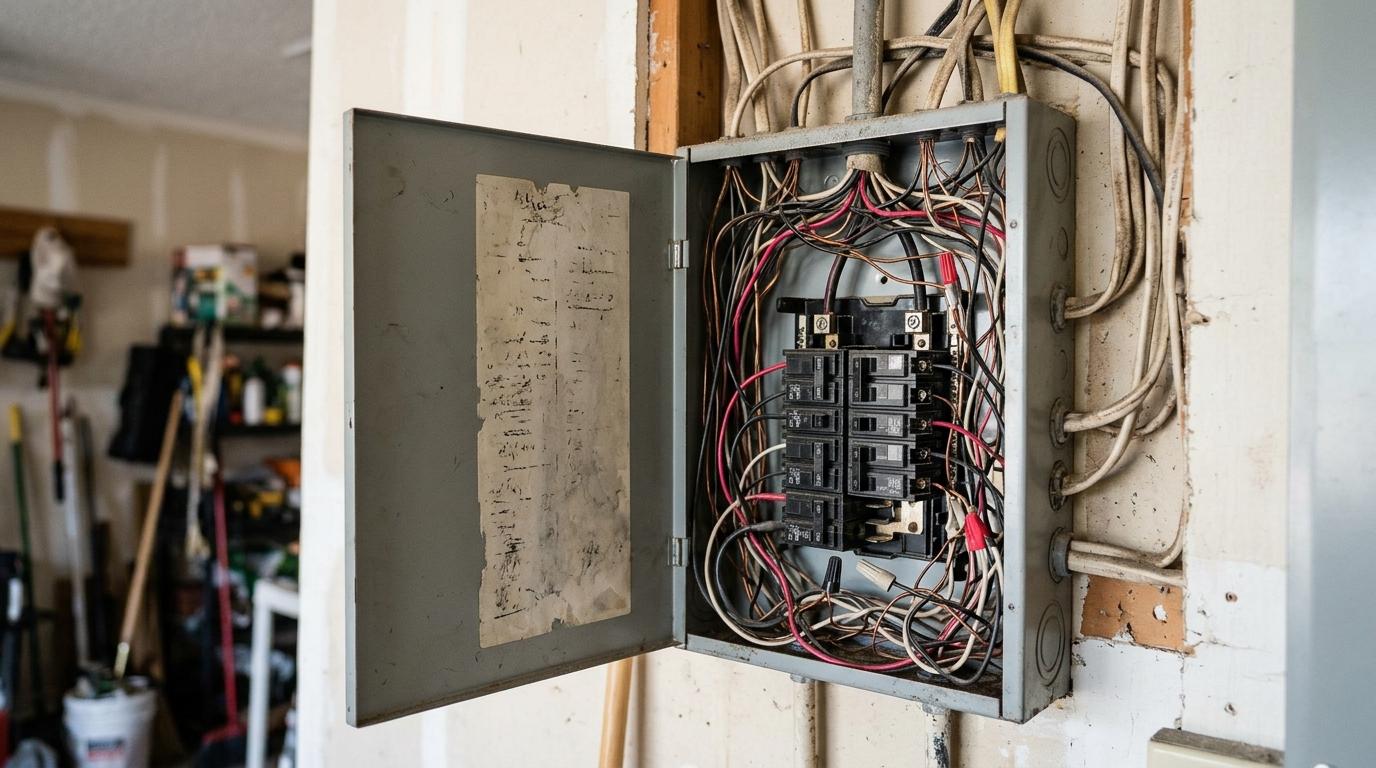
If you're buying a home in Pelham, Helena, or anywhere across Shelby or Jefferson County, the electrical system is one of the first things I put under the magnifying glass. It's also one of the most common places where I find problems — and some of them are genuinely dangerous.
I'm Patrick S Dean with HomeScan Home Inspection Services LLC, based right here in Pelham. After more than 25 years in construction and years inspecting homes across the Birmingham suburbs, I can tell you that electrical issues don't announce themselves. The lights come on, the outlets work, and everything seems fine — until you open the panel or pull a cover and see what's really going on.
Here are the electrical problems I run into most often, and what they mean for you as a buyer, seller, or homeowner.
DIY Wiring and Handyman Repairs
This is the single most common issue I find. Somewhere along the way, a previous owner decided to add an outlet, extend a circuit, or wire up a shop light — and did it themselves without a permit or an electrician.
The telltale signs:
- Junction boxes buried behind drywall or left uncovered in the attic
- Wire splices held together with electrical tape instead of proper connectors
- Extension cords or lamp cord used as permanent wiring
- Undersized wire feeding a circuit that draws more than it can handle
In older homes around Helena and Pelham, I also see aluminum branch wiring from the 1960s and 70s. Aluminum wiring isn't automatically a dealbreaker, but it needs proper evaluation by a licensed electrician — the connections can loosen over time and create fire risk.
If you're buying a home that's been flipped or heavily renovated, this is exactly the kind of thing a general home inspection is designed to catch.
Overloaded Panels and Missing Breaker Space
A lot of the homes I inspect in Hoover, Vestavia Hills, and Mountain Brook were built decades ago when families had one TV, one fridge, and maybe a window unit. Today, those same homes are running EV chargers, tankless water heaters, home offices, and multiple HVAC systems.
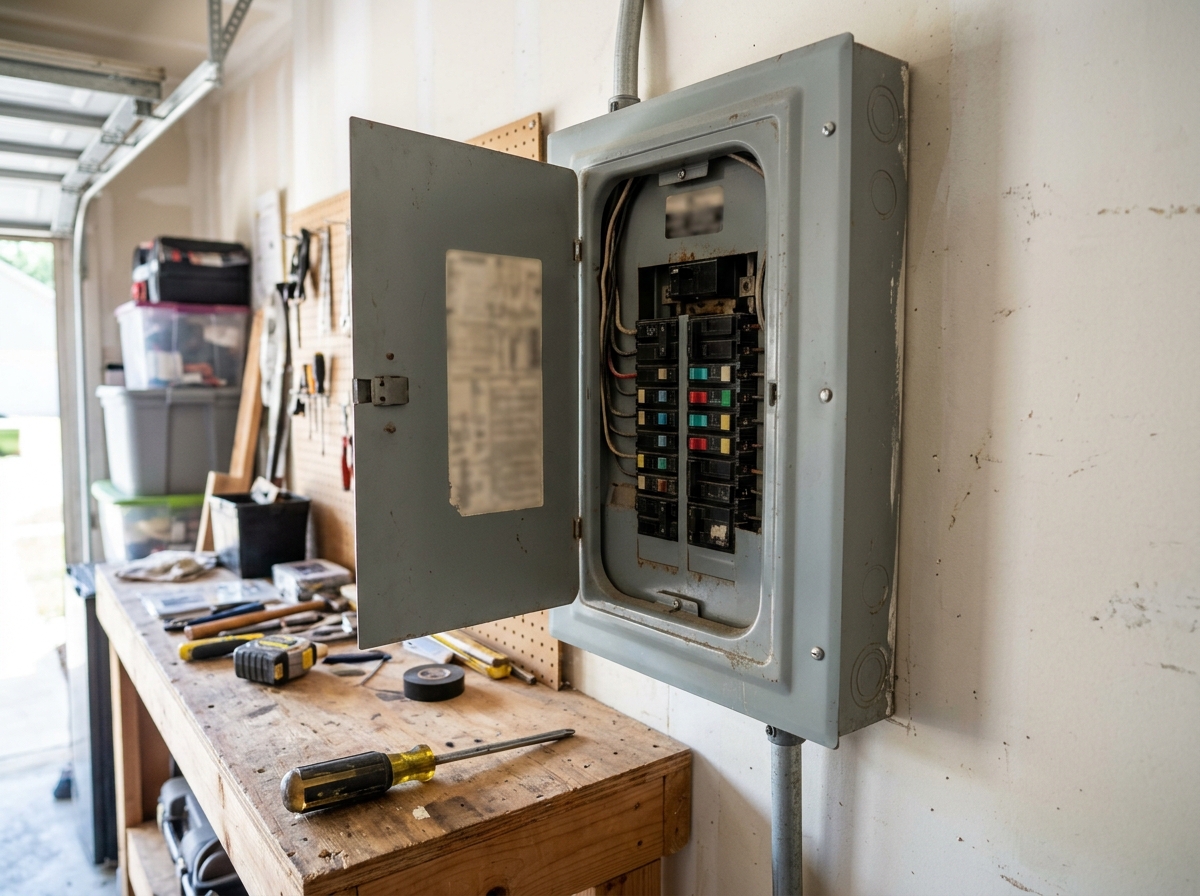
The result? Panels that are packed to the gills, double-tapped breakers (two wires under one screw), and circuits that were never designed for the load.
What I look for:
- Breakers that are warm to the touch or show scorching
- Double-tapped breakers, which are almost always improper
- Missing knockout covers and open slots in the panel face
- Panels from brands with known safety histories that warrant further evaluation
I don't tell you a panel is "fine" or "bad" — that's an electrician's call. What I do is document what I see and flag anything that needs a closer look by a licensed professional.
Receptacles, GFCI Protection, and Older Wiring
GFCI outlets — the ones with the test and reset buttons — are required in kitchens, bathrooms, garages, and outdoor locations for good reason. They cut power when they sense a ground fault, which is exactly the kind of shock hazard that happens near water.
In homes across Chelsea, Trussville, and the older parts of Homewood, I frequently find:
- GFCI outlets that don't trip when tested
- Ungrounded three-prong outlets (someone swapped a two-prong for a three-prong without running a ground wire)
- Reversed polarity — hot and neutral wired backward
- Loose receptacles that no longer grip a plug securely
None of these are visible from a walkthrough. You have to actually test them. That's part of what a HomeScan inspection includes, and it's why I carry the tools to check every accessible outlet, not just spot-check a few.
Exterior and Attic Wiring Problems
Alabama's humidity and summer heat take a toll on exterior wiring. In Pelham, Helena, and Chelsea, I regularly find:
- Outdoor outlets with missing or damaged weather covers
- UF (underground feeder) cable run above ground or exposed to lawn equipment
- Attic wiring chewed by rodents or sagging against rafters
- Disconnected or improperly grounded service entrance conductors
Attic spaces get brutally hot here, and wiring that's been baking at 140°F for years can have brittle insulation. If your home has a crawl space — and many in this area do — I also use limited-clearance crawl bot capabilities to get eyes on wiring that most inspectors simply can't reach.
These aren't hypothetical problems. They're the ones I document week after week.
What This Means for You
An electrical issue found during a home inspection isn't a reason to panic — it's information. It tells you what needs attention, what to negotiate, and what to budget for.
A few things to keep in mind:
- A home inspection is visual and limited in scope. I can't see inside walls, and I don't perform code compliance inspections. But I can document what's accessible and flag what needs a licensed electrician.
- Electrical repairs should always be done by a licensed electrician. This isn't a DIY category.
- If you're selling, getting ahead of these issues can save you headaches during negotiations.
Whether you're in Hoover, Mountain Brook, Vestavia Hills, or right here in Pelham, the goal is the same: give you a clear, honest picture of what you're buying or what you already own.
Schedule Your Inspection with HomeScan
If you're buying, selling, or just want to know what's going on behind your walls, I'd be glad to help. HomeScan Home Inspection Services LLC serves Pelham, Helena, Chelsea, Hoover, Homewood, Mountain Brook, Vestavia Hills, Trussville, and the surrounding Shelby and Jefferson County communities.
Along with general home inspections, I offer sanitary lateral video scope services to check sewer lines and drone services for roof and exterior assessments — especially useful for steep or hard-to-reach areas.
Have a question about something you've noticed in your own home? Reach out. I'm happy to talk through it, no pressure and no sales pitch. You can schedule an inspection or ask a question anytime — I'll give you a straight answer.