First-Time Homebuyer Checklist for Pelham Homes: What to Look For Before You Close
By Patrick S Dean · November 12, 2026 · 5 min read
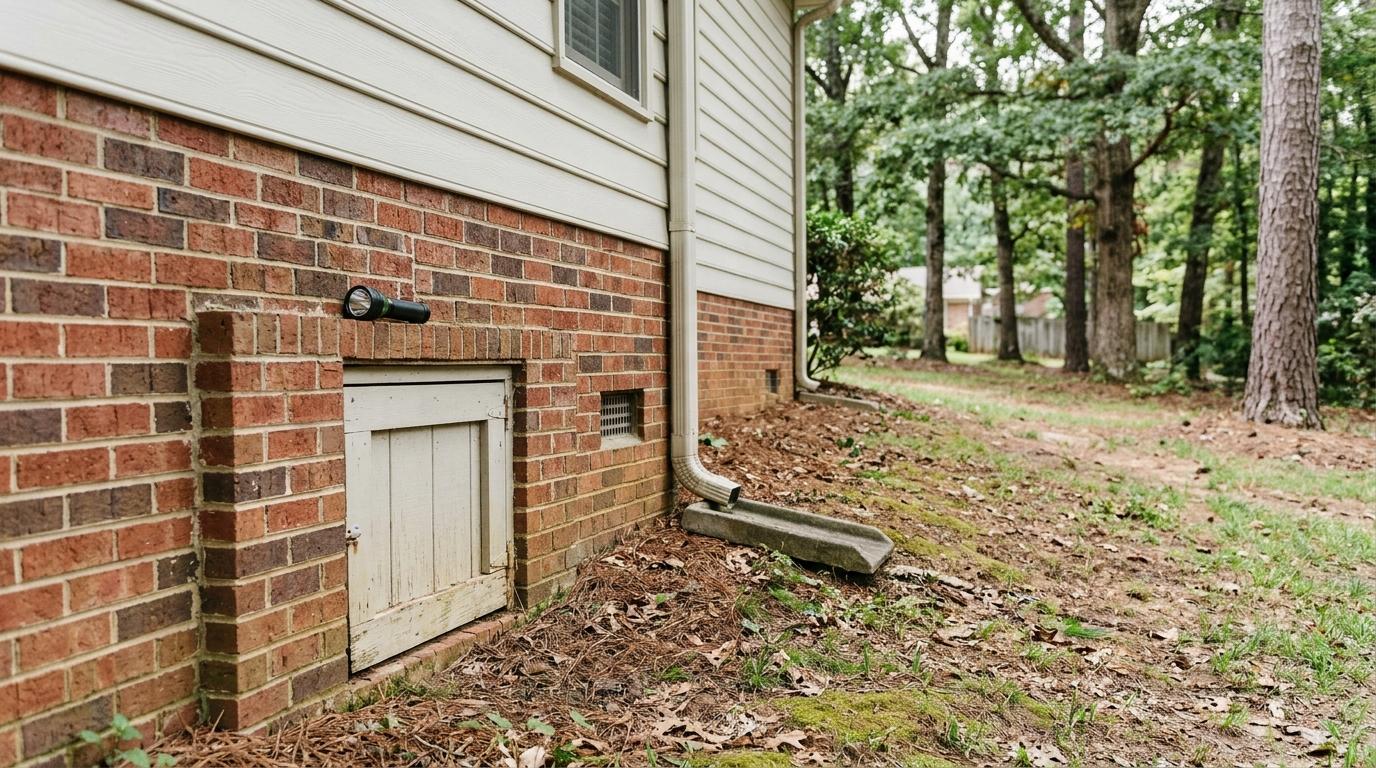
You've saved the down payment, scrolled through listings in Pelham, Helena, and Chelsea, and maybe even toured a brick ranch off Highway 31 that felt just right. Then comes the part that makes most first-time buyers nervous: the inspection contingency.
Here's the good news. A home inspection isn't a test you can fail — it's information you get to use while you still have negotiating room. My job as an inspector is to walk the house with you, show you what I see, and help you understand what's routine maintenance versus what deserves a second look from a specialist.
This checklist covers the things I look at most carefully in Pelham-area homes, and the questions I'd want answered if I were the one buying. It's not a substitute for a full inspection — it's a starting point so you know what you're looking at.
Know the Local Housing Stock Before You Fall in Love
Pelham and the surrounding Shelby County communities have a wide mix of housing. Depending on where you're shopping, you might be looking at:
- 1960s–1980s brick ranches and split-levels in older Pelham neighborhoods, often with original wiring, plumbing, or HVAC that's been partially updated over the years.
- 1990s–2000s two-story subdivisions in Helena, Chelsea, and Hoover, where builder-grade materials are now 20–30 years old and reaching the end of their typical service life.
- Newer construction in fast-growing areas of Chelsea and Trussville, where the concern shifts to workmanship, grading, and final-grade drainage rather than age.
Each era has its own patterns. An older home may have a crawlspace with decades of history; a newer one may have a grading issue that only shows up after a hard Alabama rain. Knowing what's typical for the age and neighborhood helps you ask better questions — and helps you read the inspection report with context instead of panic.
The Systems That Matter Most in Alabama Homes
Alabama's heat, humidity, and heavy spring storms put real stress on a house. When I inspect a home in Pelham, Hoover, or Vestavia Hills, these are the systems I spend the most time on:
- Roof and attic. I look at shingle condition, flashing, and ventilation, and I check the attic for signs of active or past leaks. Our summer heat and winter temperature swings are hard on roofs.
- HVAC. I'll note the age and condition of the system and look for signs of deferred maintenance. A unit that's been limping along in a Helena attic for 18 years is worth budgeting for.
- Electrical. Older homes sometimes have outdated panels, ungrounded outlets, or DIY wiring added over the years. I'll document what I see and flag anything that warrants an electrician's review.
- Plumbing. I check for active leaks, corrosion, and water pressure issues, and I look under sinks and around water heaters where problems often start.
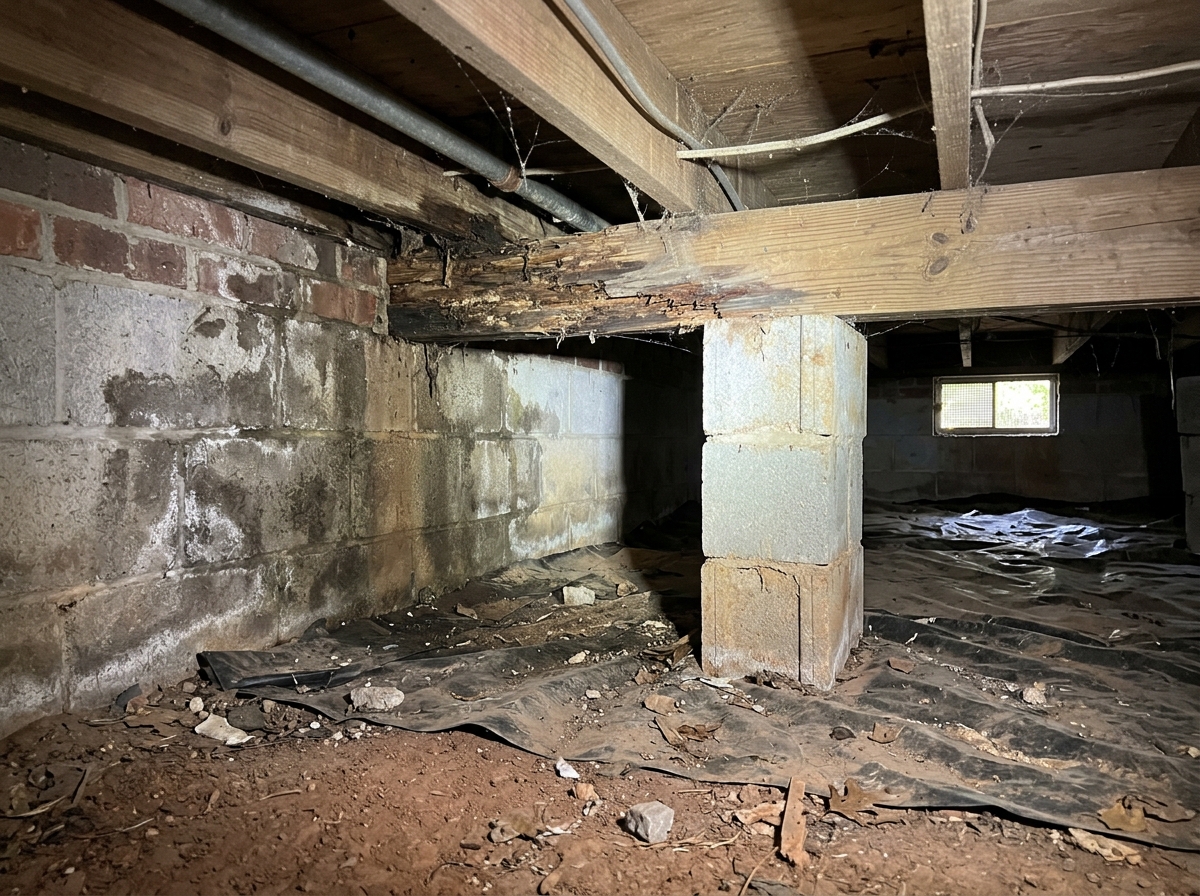
- Foundation and crawlspace. Many Pelham-area homes sit on crawlspaces. I check for moisture, wood rot, and structural concerns — and with limited-clearance crawl bot capabilities, I can get eyes into tight spaces that are hard to reach otherwise.
Don't Skip Drainage, Grading, and the Sewer Line
Two of the most expensive surprises in a Pelham home have nothing to do with the kitchen.
Water and grading. Alabama gets intense rain, and a yard that slopes toward the house — or a downspout that dumps right at the foundation — can push water into a crawlspace or basement for years before anyone notices. I look at how the lot drains, where the gutters discharge, and whether there's evidence of water intrusion.
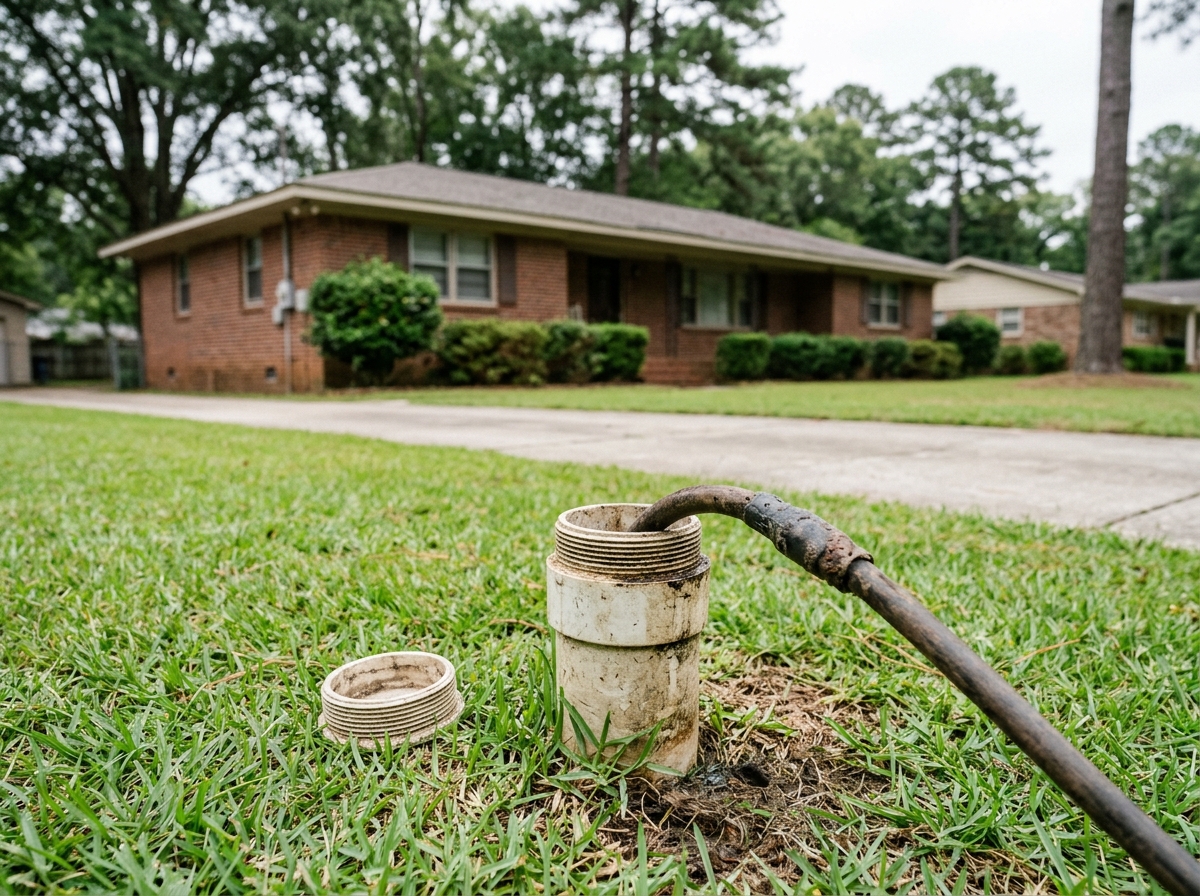
The sewer lateral. The pipe that runs from your house to the city main is buried, out of sight, and expensive to replace. In older neighborhoods around Pelham and Homewood, tree roots and aging clay or cast iron lines are common culprits. A sanitary lateral video scope lets us actually look inside that line before you buy, so you're not discovering a problem the first time you do a load of laundry.
If you're buying a home older than about 25 years, I'd strongly recommend adding the sewer scope to your inspection. It's one of the few ways to see a problem that a standard visual inspection simply can't reach.
A Few More Things First-Time Buyers Should Ask About
Beyond the big systems, here are questions worth raising during your inspection:
- What's the age of the roof, HVAC, and water heater? Even if they're working today, knowing their age helps you plan.
- Are there signs of past repairs? Fresh paint over a stained ceiling, a patched foundation crack, or a new section of subfloor can tell a story.
- Is there any evidence of moisture or mold? I'll note what I see and recommend a qualified specialist when further evaluation is warranted.
- How's the exterior holding up? In our climate, siding, trim, and window seals take a beating. I check for rot, gaps, and failing caulk.
- What about the roof and chimney from above? For steep or hard-to-access roofs, drone services let me document conditions safely from the air.
Remember: an inspection is a visual, non-invasive evaluation of the home's condition at the time of the inspection. It's not a guarantee, and it won't catch everything — no inspection can. What it does is give you a clear, honest picture so you can make a confident decision.
Your Next Step: Get a Local Inspector on Your Side
Buying your first home in Pelham, Helena, Chelsea, or anywhere in Shelby or Jefferson County is a big deal — and you don't have to figure it out alone. At HomeScan Home Inspection Services LLC, I've spent years working on and around homes in this area, and I bring that experience to every inspection.
Whether you're under contract on a home in Hoover, considering a new build in Trussville, or just starting to look in Mountain Brook or Homewood, I'm happy to answer questions before you schedule anything. When you're ready, we offer general home inspections, sanitary lateral video scopes, and drone roof documentation — all tailored to what your specific home needs.
Reach out to HomeScan Home Inspection Services LLC to schedule your inspection or just ask a question. There's no pressure and no sales pitch — just a straightforward conversation about the house you're about to buy.