Top 5 Crawlspace Problems Found in Pelham & Shelby County Homes
By Patrick S Dean · November 18, 2026 · 5 min read
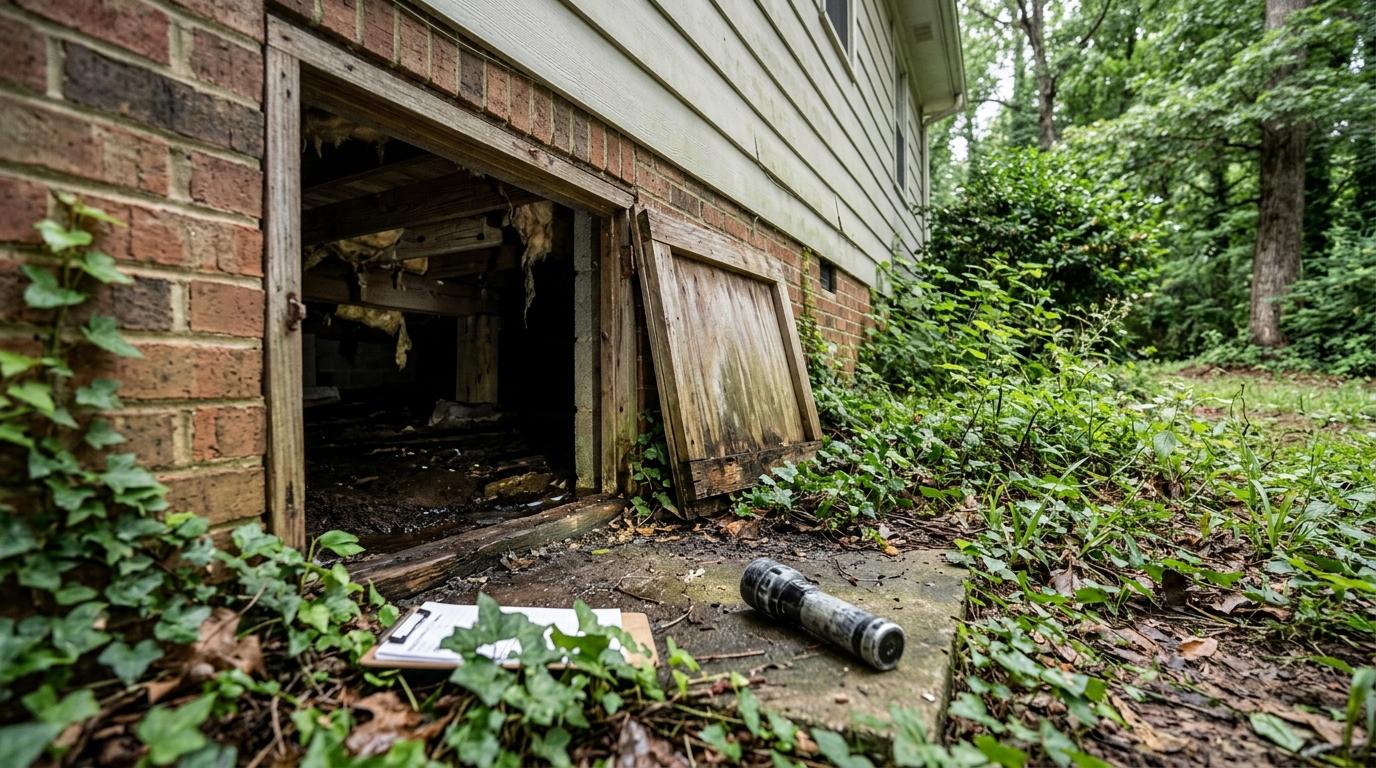
If you own or are buying a home in Pelham, Helena, Chelsea, or anywhere else in Shelby County, there's a good chance your house sits on a crawlspace. That's just how a lot of the housing stock around here was built — from mid-century ranchers near the older parts of Hoover and Homewood to newer construction out toward Trussville. Crawlspaces are practical, but they're also one of the most neglected parts of a home, mostly because almost nobody wants to climb down into one.
I'm Patrick S Dean, lead inspector with HomeScan Home Inspection Services LLC. I've spent years in construction and now spend my days crawling through the spaces under homes across Shelby and Jefferson County. I've seen the same handful of problems over and over, and most of them start small — then get expensive. Here are the five I run into most often.
1. Moisture, Standing Water, and Poor Drainage
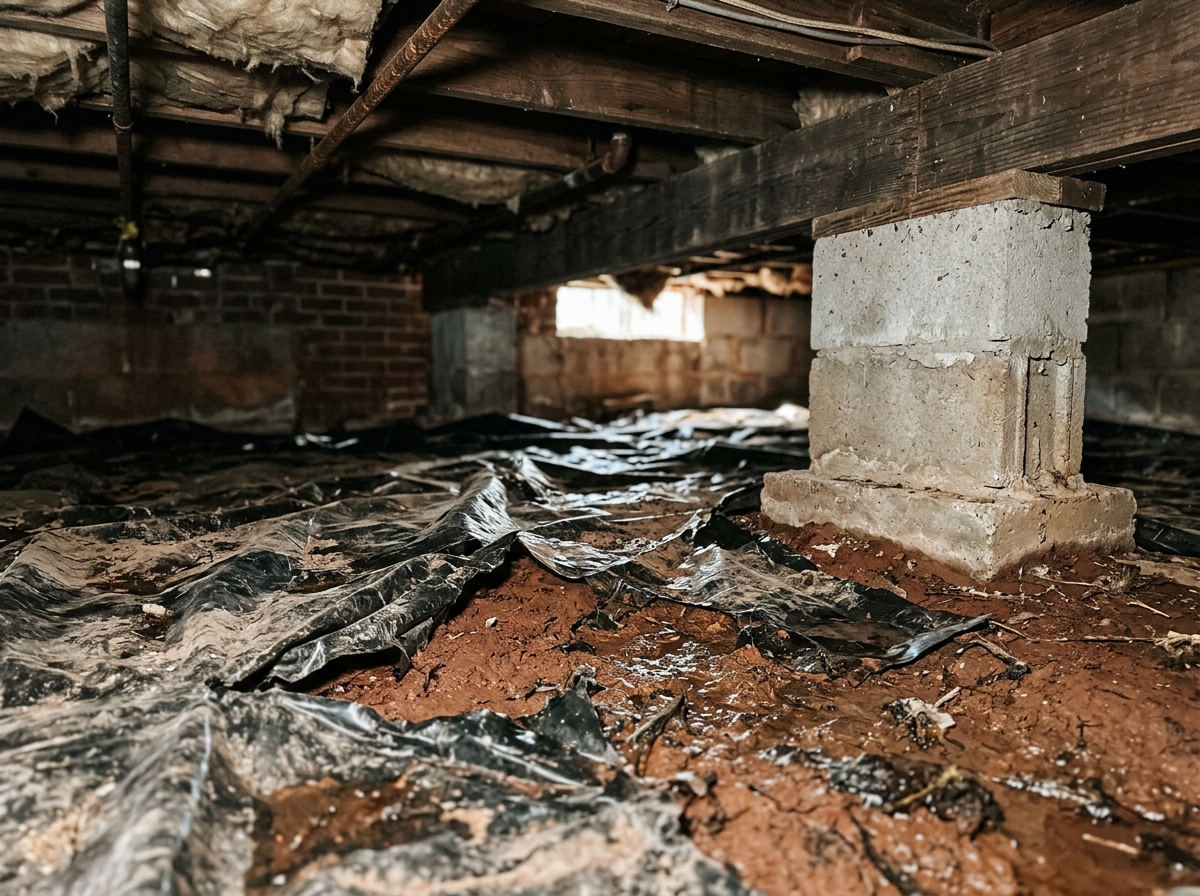
This is the big one in our part of Alabama. We get heavy summer thunderstorms, humid air most of the year, and clay-heavy soils that don't drain well. When a crawlspace doesn't have proper grading, gutters that discharge away from the foundation, or a vapor barrier, water finds its way in.
What I typically see:
- Puddles or damp soil after a rain
- A missing, torn, or thin plastic vapor barrier (or none at all)
- Downspouts dumping right next to the foundation
- Efflorescence — that white, chalky mineral staining on foundation walls that signals water has been moving through
Long-term moisture is a big deal. It feeds wood rot, attracts termites and other pests, and can contribute to mold growth. If you're having musty smells in the house, the crawlspace is often where it starts. If you suspect mold or a serious moisture problem, that's a conversation for a qualified mold or waterproofing professional — my job is to document what I see and point you in the right direction.
2. Structural Issues: Sagging Floors and Compromised Supports
When moisture gets into a crawlspace, wood doesn't just get wet — it weakens. I regularly find floor joists, girders, and subfloor sheathing with rot, especially near plumbing leaks or where water has been sitting.
Common structural findings:
- Sagging or bouncy floors in the room above
- Joists that have been notched or cut for plumbing in ways that weaken them
- Missing or inadequate pier supports
- Shims, blocks, or makeshift repairs that weren't done correctly
- Posts sitting directly on soil instead of a proper footing
Older homes in Homewood, Mountain Brook, and Vestavia Hills often have original pier-and-beam construction, and after decades of Alabama humidity, some of those supports have seen better days. Structural repairs are a job for a licensed structural engineer or qualified contractor — but a home inspection is a good first step to figure out whether you need one.
3. Plumbing Leaks and Old Supply Lines
Crawlspaces give you access to a lot of the plumbing in a house, which is great — until something leaks and nobody notices for months.
I look for:
- Active drips or staining under supply and drain lines
- Corroded or brittle older pipes (cast iron or galvanized steel)
- Poorly supported drain lines that sag and hold water
- Signs of past leaks that were never properly repaired
The sneaky part is that a small leak under the house can go unnoticed for a long time. The water soaks into the soil, raises the humidity, and slowly damages nearby wood. By the time a homeowner notices a soft spot in the floor, the problem has usually been developing for a while.
One tool that helps here is a sanitary lateral video scope. HomeScan offers this service to look inside sewer lines from the crawlspace or exterior cleanouts, which can reveal blockages, cracks, or root intrusion that a visual inspection alone can't see.
4. Pests, Insulation Problems, and Poor Ventilation
Crawlspaces are basically a five-star hotel for pests. It's dark, it's damp, and in most Alabama homes, it's quiet and undisturbed.
What I commonly find:
- Rodent droppings, chew marks, and nesting material
- Termite mud tubes or other evidence of wood-destroying insects
- Wildlife entry points around the foundation
- Fallen, compressed, or missing insulation
- Batt insulation hanging loose from the subfloor
- Poor ventilation that traps humid air year-round
On the ventilation side, there's an ongoing debate in the building science world about whether crawlspaces should be vented or sealed and conditioned. Either way, the goal is the same: keep the space dry and stable. If yours is consistently damp, it's worth having a qualified professional evaluate the right approach for your specific home.
For homes with very tight access, HomeScan uses limited-clearance crawl bot capabilities to get eyes on areas a person can't easily reach.
5. Electrical Hazards and Unpermitted Work
This one makes me the most nervous, and it's more common than people realize.
Things I've found under houses in Pelham, Helena, and Chelsea:
- Romex or older wiring running through standing water
- Junction boxes left open and uncovered
- Exposed splices and wire nuts not enclosed
- Extension cords used as permanent wiring
- DIY repairs from a previous owner with no permits
Crawlspace electrical work is a safety issue, full stop. If I find something questionable, I'll document it and recommend evaluation by a licensed electrician. I don't make code determinations — that's outside the scope of a general home inspection — but I can flag what doesn't look right so you can get a qualified opinion.
This is also where infrared technology comes in handy. Thermal imaging can sometimes reveal hidden moisture, overheating wiring, or insulation gaps that aren't obvious to the naked eye.
What to Do About It
None of this is meant to scare you — crawlspaces are just one of those parts of a home that deserve real attention, especially in our climate. A home inspection isn't a guarantee that nothing will ever go wrong, and it's not a code inspection. It's a visual, limited-scope evaluation of the home's condition on the day I'm there.
But it's a whole lot better than guessing.
If you're buying or selling a home in Pelham, Hoover, Helena, Chelsea, Homewood, Mountain Brook, Vestavia Hills, Trussville, or anywhere in Shelby or Jefferson County, and you want to know what's really going on under the house, I'd be glad to take a look. HomeScan Home Inspection Services LLC offers general home inspections, sanitary lateral video scope service, and drone services for roofs and other hard-to-reach areas.
Have a question about your crawlspace, or want to schedule an inspection? Reach out — no pressure, no sales pitch. I'm happy to help you understand what you're working with.